


Must-Have Features for a Multi-Restaurant Food Delivery App

Quick Summary
The blog explains the essential and advanced features required to build a successful multi-restaurant food delivery app. It covers functionalities for all major user groups, including customers, restaurant owners, delivery partners, and platform administrators.
It discusses 12 must-have features, such as restaurant discovery, menu management, multiple payment options, real-time order tracking, delivery partner management, ratings and reviews, promotional tools, and admin analytics. It also highlights eight advanced capabilities, including AI-powered recommendations, scheduled deliveries, subscription plans, dynamic delivery charges, and demand forecasting.
The article concludes by introducing Yo!Yumm by FATbit Technologies as a ready-made, white-label food delivery solution that helps entrepreneurs launch their own multi-restaurant platforms.
Online food ordering has evolved from a convenient alternative to an everyday habit. Whether customers are ordering lunch during office hours, planning a family dinner, or satisfying a late-night craving, food delivery apps have made accessing multiple restaurants easier than ever.
This growing preference for online ordering has created promising opportunities for entrepreneurs looking to enter the food delivery industry. One business model gaining particular attention is the multi-restaurant food delivery app, which brings multiple restaurants together on a single platform.
Unlike single-restaurant ordering applications, a multi-restaurant platform allows customers to browse different restaurants, compare menus, explore cuisines, and place orders from their preferred establishments. Restaurants benefit from increased visibility and access to a broader customer base, while delivery partners receive more earning opportunities. Platform owners, meanwhile, can generate revenue through commissions, delivery charges, promotional campaigns, and subscription plans.
However, launching a successful platform requires more than bringing restaurants together. It involves creating a well-connected ecosystem that serves customers, restaurant owners, delivery partners, and administrators.
The right combination of features makes this possible. From restaurant discovery and order management to real-time tracking and payment processing, every functionality contributes to the overall experience.
In this guide, we explore the must-have features of a multi-restaurant food delivery app, advanced capabilities that can help your platform stand out, and a ready-made software solution to consider when entering this market.
Must-Have Features for a Successful Multi-Restaurant Food Delivery App
A successful multi-restaurant food delivery app needs features that address the requirements of every participant. The following functionalities establish the foundation for a smooth ordering experience and efficient marketplace management.
1. User Registration and Profile Management
A simple registration process is the first step toward creating a positive customer experience. Lengthy sign-up procedures can discourage potential customers before they even explore the available restaurants.
A multi-restaurant food delivery app should offer convenient registration through email addresses, phone numbers, and OTP verification. Social login options can further simplify account creation and make returning to the platform easier.
Beyond registration, customers should have access to profile management options that allow them to:
Update personal information and contact details.
Add and manage multiple delivery addresses.
Save favorite restaurants and dishes.
View previous orders and reorder meals.
Manage dietary preferences and other relevant details.
These functionalities make ordering more convenient and encourage customers to return to the platform.
2. Restaurant Discovery and Search
When customers have multiple restaurants to choose from, finding the right one should be quick and effortless. Restaurant discovery and search functionalities help users explore available options without unnecessary navigation.
Location-based restaurant listings should display establishments that deliver to the customer's selected address. This prevents users from browsing restaurants outside their delivery coverage.
The search functionality should support searches by restaurant name, cuisine, food category, and individual dishes. Additional filters can help customers narrow their choices based on:
Restaurant ratings and reviews.
Estimated delivery time.
Food categories and cuisines.
Price range.
Available offers and discounts.
An effective discovery experience helps customers find suitable restaurants faster and improves the likelihood of completed orders.
3. Restaurant Profiles and Menu Management
Every restaurant on the platform should have a dedicated profile that functions as its digital storefront. A detailed restaurant profile helps customers understand the establishment and make informed ordering decisions.
Restaurant profiles should include business descriptions, contact information, operating hours, cuisine categories, and customer ratings.
Menu management is equally important. Restaurants should be able to upload food images, add dish descriptions, update prices, and organize menu items into relevant categories.
Other useful menu functionalities include:
Food customization options, such as portion sizes and spice levels.
Add-ons and extra ingredients.
Real-time item availability updates.
Special dietary information.
Menu pricing and promotional offers.
Allowing restaurants to manage their menus independently keeps information accurate and reduces the possibility of order-related misunderstandings.
4. Smart Shopping Cart and Checkout
The shopping cart and checkout process directly influence order completion. A complicated checkout experience or unexpected charges can cause customers to abandon their orders.
A well-designed cart should allow customers to add, remove, and modify food items before proceeding to checkout. It should also support customization requests and special instructions for restaurants.
Important checkout functionalities include:
Easy cart management and order modification.
Promo code and discount application.
Multiple delivery address selection.
Delivery instructions.
Transparent pricing and order summaries.
Estimated delivery charges and applicable taxes.
Displaying the complete order amount before payment helps establish trust and prevents confusion during checkout.
5. Multiple Payment Options
Payment flexibility is essential for serving customers with different preferences. A multi-restaurant food delivery app should integrate multiple payment methods to make transactions convenient.
Depending on the target market, these may include:
Credit and debit cards.
Digital wallets.
Online banking and supported payment methods.
Cash on delivery.
Secure payment gateway integration is equally important. Customer payment information must be handled through reliable payment processing systems.
The platform should also provide transaction records and refund management capabilities to help administrators resolve failed transactions, cancellations, and payment-related disputes.
6. Real-Time Order Tracking
Customers want to know what happens after placing an order. Real-time tracking provides visibility into the order preparation and delivery process.
An effective tracking system should display order progress through different stages, including:
Order placed.
Restaurant confirmation.
Food preparation.
Order picked up.
Out for delivery.
Order delivered.
GPS-based tracking allows customers to monitor delivery partner locations on a map. Estimated delivery times and automated status notifications further improve transparency.
These capabilities reduce uncertainty, minimize unnecessary support requests, and help customers feel more confident about ordering through the platform.
7. Restaurant Management Dashboard
Restaurant owners need a dedicated interface to manage their operations without depending on the platform administrator for every update.
A restaurant management dashboard should provide access to essential business functions, including:
Restaurant registration and profile management.
Menu creation and modification.
Food pricing and availability updates.
Incoming order acceptance and rejection.
Order preparation status updates.
Sales and order history.
Performance reports.
The dashboard should be easy to navigate, even for restaurant owners with limited technical experience.
Giving restaurants greater control over their operations improves platform efficiency and encourages long-term participation.
8. Delivery Partner Management
Efficient delivery operations are essential to maintaining customer satisfaction. Even when restaurants prepare quality food, delayed deliveries can negatively affect the overall experience.
A dedicated delivery partner interface should support registration, document submission, and account verification.
Once approved, delivery partners should be able to:
Receive and manage delivery assignments.
Accept or reject assigned orders, where supported.
Access GPS-based navigation.
Update delivery statuses.
View customer delivery instructions.
Track earnings and payout information.
For platform administrators, delivery management tools should simplify driver allocation and help monitor ongoing deliveries.
These functionalities improve coordination between restaurants, customers, and delivery partners.
9. Ratings and Reviews
Customer feedback plays an important role in building trust within a multi-restaurant marketplace. Ratings and reviews help potential customers evaluate restaurants before placing orders.
Customers should be able to rate their ordering experience and share feedback about food quality, packaging, and delivery services.
The platform should also provide administrators with review moderation capabilities to:
Monitor customer feedback.
Identify recurring complaints.
Respond to customer concerns.
Remove spam or inappropriate content when necessary.
Track restaurant performance.
A transparent feedback system encourages restaurants to maintain service quality and helps customers make informed decisions.
10. Offers, Discounts, and Loyalty Programs
Promotional campaigns help attract new customers and encourage existing users to place repeat orders.
A multi-restaurant food delivery app should include flexible promotional tools that allow platform administrators and, where permitted, restaurant owners to create targeted offers.
Useful promotional functionalities include:
First-order discounts.
Restaurant-specific promotional campaigns.
Discount coupons and promo codes.
Referral and reward programs.
Loyalty points.
Personalized offers.
These tools can help increase customer engagement, improve order frequency, and support restaurant promotions without relying entirely on continuous discounts.
11. Push Notifications and Communication
Timely communication keeps customers informed and reduces confusion throughout the ordering process.
Push notifications should provide updates about order confirmations, restaurant acceptance, food preparation, delivery assignments, and successful deliveries.
Promotional notifications can also inform customers about new restaurants, seasonal campaigns, and relevant discounts.
In-app communication between customers, restaurants, and delivery partners can help resolve delivery instructions, address-related questions, and other order concerns.
Providing relevant and timely notifications improves the overall ordering experience while helping businesses maintain customer engagement.
12. Admin Dashboard and Analytics
The admin dashboard is the central control panel for managing the entire food delivery marketplace. It gives platform owners visibility into business activities and helps them coordinate different user groups.
Essential administrative functionalities include:
Customer and restaurant management.
Restaurant onboarding and approval.
Delivery partner management.
Order monitoring and management.
Commission configuration.
Payment and transaction monitoring.
Refund and dispute management.
Promotional campaign management.
Revenue and sales reports.
Business performance analytics.
Flexible commission settings are particularly important because they allow platform owners to define revenue structures according to restaurant agreements or business requirements.
Analytics also help identify popular restaurants, frequently ordered dishes, customer preferences, and peak ordering periods. These insights can guide business decisions and support future expansion.
Advanced Features to Make Your Multi-Restaurant Food Delivery App Stand Out
Once the essential functionalities are in place, advanced features can help differentiate your platform and improve operational efficiency.
While not every capability is necessary at launch, considering them during the planning stage can make future expansion easier.
1. AI-Powered Food Recommendations
AI-powered recommendations can analyze customer preferences, browsing activity, and previous orders to suggest relevant restaurants and dishes. Personalized suggestions can simplify restaurant discovery and encourage additional purchases.
2. Scheduled Food Deliveries
Scheduled ordering allows customers to place orders in advance and select a preferred delivery time. This functionality is particularly useful for office lunches, family gatherings, and planned events.
3. Multiple Restaurant Order Management
Some customers may prefer ordering food from different restaurants through one platform. Supporting multiple restaurant orders with coordinated delivery arrangements can offer additional convenience, although the operational workflow needs careful planning.
4. Subscription and Membership Plans
Membership programs can provide benefits such as reduced delivery charges, exclusive discounts, and special offers. These plans can encourage repeat purchases and create an additional revenue stream for the platform.
5. Multi-Language and Multi-Currency Support
Businesses targeting international or culturally diverse markets can benefit from multiple language and currency options. These capabilities make the application more accessible to customers across different regions.
6. Dynamic Delivery Charges
Dynamic delivery pricing allows businesses to adjust delivery fees according to factors such as distance, demand, and delivery conditions. This can help platform owners manage operational costs and maintain delivery profitability.
7. Contactless Delivery
Contactless delivery allows customers to receive orders without direct interaction with delivery partners. Customers can select this option during checkout and provide suitable delivery instructions.
8. Demand Forecasting and Advanced Analytics
Demand forecasting can help platform owners identify expected order volumes, popular food categories, and busy delivery periods. These insights support better delivery partner allocation, promotional planning, and restaurant coordination.
Best Software to Build a Multi-Restaurant Food Delivery App: Yo!Yumm
Developing a multi-restaurant food delivery platform from scratch requires considerable planning, development resources, and ongoing technical management. For entrepreneurs looking to reduce the time and effort involved, a ready-made solution can be a practical alternative.
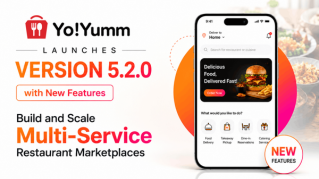
Yo!Yumm by FATbit Technologies is a ready-made, white-label food delivery software designed to help entrepreneurs launch their own multi-restaurant food delivery businesses.
It brings together the essential interfaces and functionalities required to manage customers, restaurants, delivery partners, and administrative operations.
Some of its key capabilities include:
Multi-Restaurant Management: Onboard and manage multiple restaurants through a centralized platform.
Dedicated Restaurant Panels: Allow restaurant owners to manage menus, orders, pricing, and food availability.
Customer and Delivery Applications: Provide dedicated applications for customers and delivery partners.
Multiple Ordering Options: Support different ordering models, including food delivery, takeaway, pickup, and dine-in.
Payment Gateway Integration: Facilitate online transactions through supported payment gateways.
Order Management: Monitor and manage orders throughout the ordering and delivery process.
Marketing Tools: Use promotional campaigns, discounts, and customer engagement functionalities to support business growth.
Customization Options: Adapt the platform according to specific business requirements and expansion plans.
Why Choose Yo!Yumm?
Beyond its marketplace functionalities, Yo!Yumm offers several business advantages for entrepreneurs planning to establish a food delivery brand.
White-Label Solution: Launch a food delivery platform under your own business identity and branding.
Self-Hosted Platform: Maintain greater control over your hosting environment, platform, and business data.
One-Time License Payment: Opt for a one-time license model instead of recurring SaaS subscription payments.
Complete Set of Interfaces: Access customer, restaurant, delivery partner, and admin interfaces within the solution.
12 Months of Free Technical Support: Receive technical assistance during the first year of platform ownership.
One of the main advantages of choosing a ready-made foundation is the ability to focus on business operations rather than spending months developing every component independently.
With Yo!Yumm, entrepreneurs can concentrate on onboarding restaurants, building delivery partnerships, promoting their brand, and improving customer satisfaction.
For businesses looking to enter the food delivery market with a white-label platform, Yo!Yumm is worth considering.
Conclusion
Building a multi-restaurant food delivery app requires more than a collection of ordering functionalities. It involves creating a connected ecosystem that makes food discovery, restaurant management, order processing, and delivery operations convenient for everyone involved.
Customers need simple registration, flexible payments, easy restaurant discovery, and reliable order tracking. Restaurants require effective tools for managing menus and incoming orders, while delivery partners need efficient assignment and navigation functionalities. Platform owners, meanwhile, need centralized administrative controls and analytics to monitor business performance.
When evaluating a multi-restaurant food delivery app, prioritize usability, operational efficiency, scalability, and customer convenience. These elements provide a strong foundation for establishing and growing a competitive food delivery business.
If you are planning to launch your own food delivery platform, exploring a ready-made solution can help simplify the process. Explore Yo!Yumm by FATbit Technologies to discover how its white-label, self-hosted food delivery software can help you establish your own multi-restaurant food delivery business.


Comments