_edited_edited.jpg)


How to Start a Food Delivery App in the UK

The UK food delivery market is one of the most developed in the world — and one of the most contested. Just Eat, Deliveroo, and Uber Eats together process billions of pounds in orders annually, and British consumers have made on-demand food delivery a genuine household habit. In 2023, the UK food delivery sector was valued at approximately £14 billion and continues to grow steadily.
Yet the dominance of the big three creates a clear entrepreneurial opportunity. Restaurants are deeply unhappy with commission rates of 20–35%. Consumers in smaller cities and towns are poorly served by national platforms that concentrate drivers in central London and Manchester. Niche food communities — halal, vegan, Caribbean, South Asian, kosher — are underrepresented in algorithmic feeds designed for scale, not specificity.
If you can identify the right gap, the UK has both the digital infrastructure and the consumer appetite for a compelling food delivery alternative. Here's how to build one.
Understanding the UK Food Delivery Market
Before building your platform, understand the dynamics that shape competition and opportunity:
Restaurant commission frustration is at an all-time high. Independent restaurant owners across the UK have been vocal about the financial pressure that high commission rates from national platforms create. A platform offering 10–15% commission versus the 25–35% charged by major players has an immediate, tangible value proposition for restaurant partners.
Secondary cities are underserved. Hull, Preston, Exeter, Dundee, Swansea — these are cities with strong restaurant cultures and digitally active consumers who are poorly served by platforms that thin out their driver networks outside major metros. Owning delivery in a secondary UK city is more achievable and more defensible than competing in London.
Consumer loyalty is low. UK food delivery consumers switch platforms for a £3 discount code. The attachment is to the restaurant, not the delivery app. A platform that aggregates the right restaurants in a specific area earns loyalty by association.
Sustainability is a growing differentiator. A meaningful segment of UK consumers actively prefer businesses with credible sustainability commitments. Eco-packaging requirements for restaurant partners, carbon-neutral delivery options, or bicycle-first delivery networks can be genuine brand differentiators in UK urban markets.
Core Features Your UK Food Delivery App Needs
For customers:
Restaurant discovery with cuisine filters, dietary flags (halal, vegan, gluten-free), and ratings
Real-time menu with photos and allergen information (UK Food Information Regulations require allergen disclosure)
Fast checkout with saved cards, Apple Pay, Google Pay, and PayPal
Live order tracking with driver GPS
Order history and reorder functionality
Loyalty points or cashback programme
For restaurants:
Self-serve menu management with opening hours and item availability
Real-time order intake with audio/visual alerts
Estimated preparation time management
Sales analytics and payout reports
Promo and discount management
Customer feedback dashboard
For delivery drivers:
Order notification with restaurant and customer details
GPS navigation to pickup and drop-off
Earnings tracker and daily summary
Shift scheduling and availability setting
For platform admins:
Restaurant and driver onboarding management
Commission and pricing configuration by zone
Refund and dispute management
Delivery zone and surge pricing controls
Analytics: revenue by zone, average delivery time, restaurant performance, driver utilisation
Suggested Read: Top 10 Food Delivery Apps & Platforms in the UK
Steps to Launch Your UK Food Delivery App
Step 1: Pick Your Launch Focus
You need a specific, defensible starting position. Choose one:
A secondary city or large town where you can own restaurant density before a national platform invests
A cuisine niche (South Asian delivery in Leicester, Caribbean food in Brixton, halal-only delivery in Bradford or Tower Hamlets)
A B2B segment (corporate lunch delivery, university campus food delivery, hospital canteen replacement)
None of these are small markets. All of them are more winnable for a focused new entrant than "food delivery in London."
Step 2: Navigate UK Legal and Regulatory Requirements
Company registration. Register your business with Companies House. A limited company is the standard structure for a platform business. Cost: £12 online.
ICO registration. Register as a data controller with the Information Commissioner's Office under UK GDPR. Annual fee is £40–£2,900 depending on company size. Mandatory — not optional.
Allergen compliance. The UK Food Information (Amendment) Regulations require that allergen information be provided for all food sold at a distance (including delivery orders). Your platform needs to display the 14 major allergens for every menu item, sourced from your restaurant partners.
Driver employment classification. The 2021 Supreme Court ruling in the Uber vs Aslam case established that gig workers are entitled to "worker" status (not full employee, but with rights including minimum wage, holiday pay, and pension contributions). Your driver model must comply with this ruling. Seek specialist employment law advice before your driver contracts are finalised.
Payment processing. Stripe and PayPal are both fully operational in the UK and support GBP transactions. Ensure your checkout is PCI DSS compliant.
Food hygiene ratings. Consider surfacing the Food Standards Agency hygiene rating for each restaurant on your platform. It's not legally required for the platform, but UK consumers actively use this information, and displaying it builds trust.
Step 3: Build Your Restaurant Network
Approach independent restaurants and small chains with a clear commercial pitch:
Lower commission than Just Eat, Deliveroo, and Uber Eats
No upfront setup fee for early partners
Featured placement during your launch period
Access to delivery infrastructure they can't build themselves
Target restaurants that already have a loyal local customer base — they'll bring their existing audience to your platform on day one.
Step 4: Choose Your Technology
Building a three-sided food delivery app (customer, restaurant, driver) from scratch in the UK typically costs £70,000–£250,000 and takes 9–14 months. For an early-stage platform, that's an enormous burn before any revenue validation.
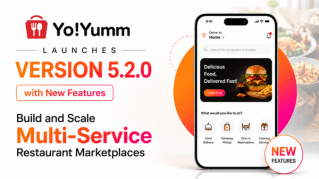
Yo!Yumm by FATbit Technologies starts at $2,000 as a one-time license — with no monthly fees, no revenue share, and no SaaS lock-in. Against £70,000+ in custom development costs and nearly a year of build time, the comparison is straightforward. UK founders can be live in days with a fully branded, professional platform rather than spending a year and a significant amount of capital building one from scratch.
Why Yo!Yumm Is the Right Food Delivery Software for UK Founders
Yo!Yumm is a complete, white-label food delivery software solution that gives UK entrepreneurs a fully operational Deliveroo or Just Eat-style platform at a fraction of the cost and timeline of custom development.
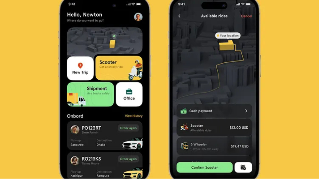
Full three-sided platform, ready to brand. Customer app, restaurant dashboard, driver app, and admin panel — all included, all integrated, all functional from day one. You customise the branding; Yo!Yumm handles the technical foundation.
Real-time GPS order tracking. UK consumers expect to track their order from restaurant to door. Yo!Yumm includes live driver GPS tracking, giving your customers the premium delivery experience that builds repeat ordering.
UK payment gateway support. Stripe (including Apple Pay and Google Pay) and PayPal are fully integrated, covering the UK's preferred payment methods with PCI DSS compliance built in.
One-time license, no monthly fees. Unlike subscription-based platforms that take a recurring fee regardless of your platform's performance, Yo!Yumm is a one-time license. You own the source code outright, deploy on your own servers, and retain 100% of your platform's commission revenue.
Native iOS and Android apps. Fully branded, fully functional mobile apps for customers and drivers are included in the package — essential for a market where virtually all food delivery orders are placed on mobile.
Customisable for UK-specific needs. With source code ownership, your team can integrate UK food hygiene rating data, configure allergen display workflows, support GBP currency, add your loyalty programme, and build the specific features that differentiate your platform in your target market.
Live within days. Yo!Yumm deployments typically go live within 3–7 days with setup and branding. That's a time-to-market advantage that custom builds simply can't match.
Suggested Read: Best White-Label Food Delivery App Solutions in the UK
Growing Your UK Food Delivery Platform
Go deep before going wide. Saturate your launch area with restaurant listings before expanding. A platform with 80% of the good restaurants in one postcode beats a platform with 20% coverage across a whole city.
Leverage restaurant social channels. Your restaurant partners have Instagram followers, Facebook groups, and WhatsApp customer lists. Co-ordinated launch posts from multiple restaurant partners create immediate local buzz.
Local food content for SEO. Publish borough-level and cuisine-specific content: "Best Pakistani restaurants in Bradford," "Halal delivery in East London," "Late night food delivery in Bristol." These hyperlocal searches are low competition and high intent.
Student markets. UK university towns are exceptional food delivery markets — high density, low cooking, strong mobile usage, and price sensitivity that responds well to student discount programmes. A partnership with a student union or university campus app can drive rapid user acquisition.
Final Thoughts
The UK food delivery market has enormous room for well-positioned new entrants who aren't trying to be the next Deliveroo — they're trying to own the restaurants of Bradford, serve the Caribbean community of South London, or become the go-to delivery platform for Exeter's independent food scene.
With Yo!Yumm as your food delivery software foundation, you can launch a professional, branded, fully featured delivery platform faster and at lower cost than any custom build allows. The UK's independent restaurants need a platform that's actually on their side. Yo!Yumm can help you become it.
Comments